

In high temperature industrial fan systems, lubrication isn't just routine maintenance — it's a frontline defense against failure.
The higher a fan’s RPM is or the larger a fan shaft’s diameter is, the faster the bearing components are moving linearly. Higher linear speed means more heat generation and a tougher job for the lubricant. Inconsistencies in lubrication frequency, quantity, or type can drastically shorten equipment life.
Consistency is everything.
Overlubrication or underlubrication, whether it be quantity or frequency, will lead to premature wearing of the bearing. Either way, the result is the same: degraded performance and a much higher risk of unplanned downtime. In demanding industrial environments — from steel processing to pulp and paper manufacturing — that kind of variability simply isn't acceptable.
The Problem with Traditional Lubrication Practices
Most facilities still rely on fixed schedules or manual checks to manage lubrication. In low-demand settings, this might be sufficient. But to maximize service life and minimize unplanned downtime, especially for high-performance fan systems, it falls well short.
The most common pitfalls include:
- Over-lubrication driven by overly conservative maintenance schedules
- Under-lubrication from missed intervals or poor visibility into equipment condition
- Inconsistent application across similar assets
- No real-time feedback on actual equipment health
These gaps introduce variability that inevitably leads to unplanned downtime.
A Smarter Approach: Predictive Maintenance
IGE Fans takes a fundamentally different approach to lubrication.
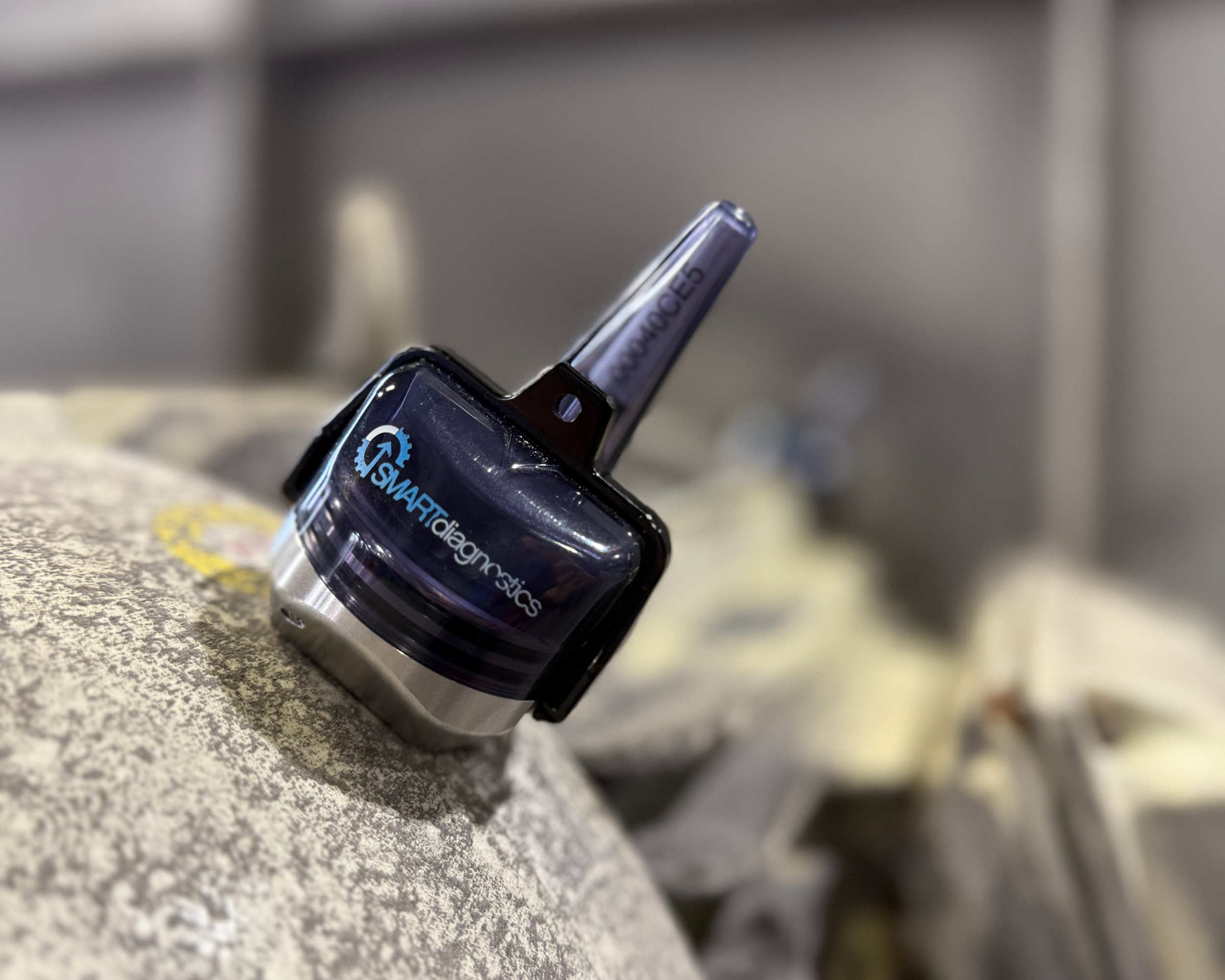
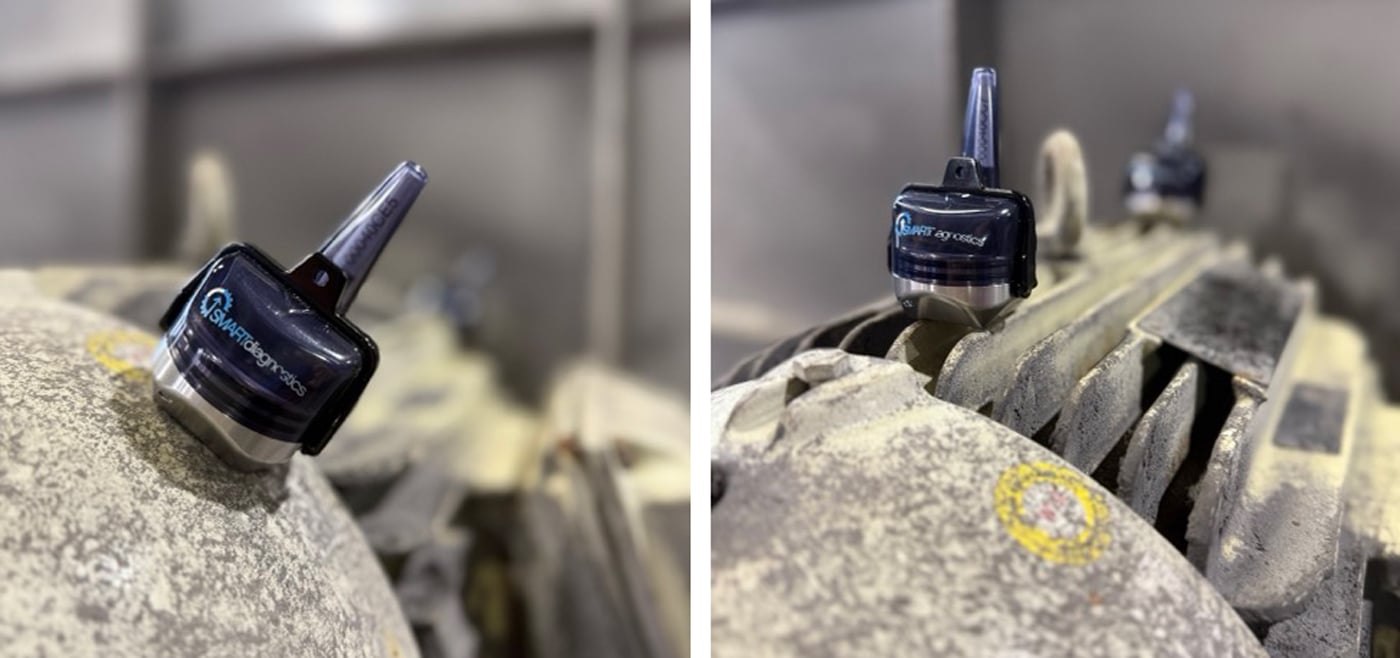
Rather than relying on guesswork or static schedules, IGE's predictive maintenance philosophy makes lubrication a dynamic, data-driven process. By continuously monitoring equipment condition in real time, maintenance teams can act on what the equipment is actually telling them — not on what a calendar says.
This shift from reactive to proactive maintenance is one of the most impactful changes an operation can make.
Using Vibration Analysis to Catch Problems Early
One of the most powerful tools in IGE's predictive maintenance toolkit is vibration monitoring.
Vibration trends surface early warning signs that are often invisible to the naked eye, including:
- Elevated vibration signatures pointing to insufficient lubrication
- Abnormal patterns caused by over-lubrication
- Gradual shifts in bearing condition over time
Instead of waiting for a failure — and scrambling for an emergency repair or rebuild — teams can detect and address issues before any real damage occurs.
From Data to Action
Continuous monitoring is only valuable when it connects directly to maintenance decisions. IGE integrates:
- Vibration trending to detect under- or over-lubrication in real time
- Alarm thresholds that prompt timely intervention before damage escalates
- Advanced analytics that translate raw sensor data into actionable work orders
This ensures lubrication happens precisely when it's needed — not too early, not too late.
The Bottom Line: Less Downtime, Longer Equipment Life
When lubrication is aligned with real operating conditions, the results speak for themselves:
- Fewer bearing failures
- Reduced unplanned downtime
- Improved system efficiency
- Extended service life of critical components
- Reduced lubricant consumption
And perhaps most importantly, maintenance teams gain confidence — because their decisions are grounded in actual data, not assumptions. That confidence compounds over time, especially for operations running a wide range of fan configurations across multiple production assets.
Lubrication as a Strategic Advantage
The real value of data-driven lubrication isn't just fewer failures — it's what it does to your entire maintenance program.
By connecting continuous monitoring data to lubrication planning, organizations can eliminate guesswork, standardize practices across all fan systems, and build reliability into their operations by design. Whether you manage a single high temperature fan or are responsible for managing fans across dozens of furnaces, this integration is what drives the shift from reactive maintenance from true predictive or proactive maintenance.
Smarter lubrication starts with better visibility — and better visibility starts with the right partner.
Explore IGE Fans' approach to predictive maintenance
Leave a Reply